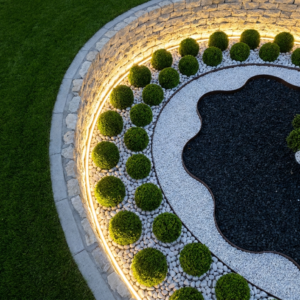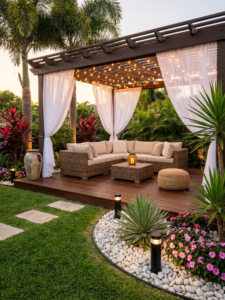
The first step to a beautiful outdoor space is the right elements. Boxwood shrubs can add a touch of beauty to your home.
These plants offer year round order and style. They make excellent markers for pathways or to start flower beds. They have a classic style and are always in trend.
Few tips from the professionals can help you transform your yard into a breathtaking oasis. Learn how to use boxwood to boost your home’s curb appeal. Let’s see how to incorporate this classic greenery into your area.
Key Takeaways
Boxwood shrubs create a vital structure and year round color in any landscape.
Beware of placement, as it defines pathways and sets visual boundaries.
With regular upkeep, your greenery will remain healthy and well formed.
The design techniques of the professionals can certainly boost your home’s curb appeal.
A good variety choice is essential for success in your region.
How to Organize Your Landscape
The first step in designing an outdoor oasis is to establish the limits of your garden. The way the garden is designed is like the backbone of your landscape. It gives a feeling of structure that leads a person through your home. If not, even the most colorful flower beds can look like a chaotic jumbled mess or out of place from the rest of your house.
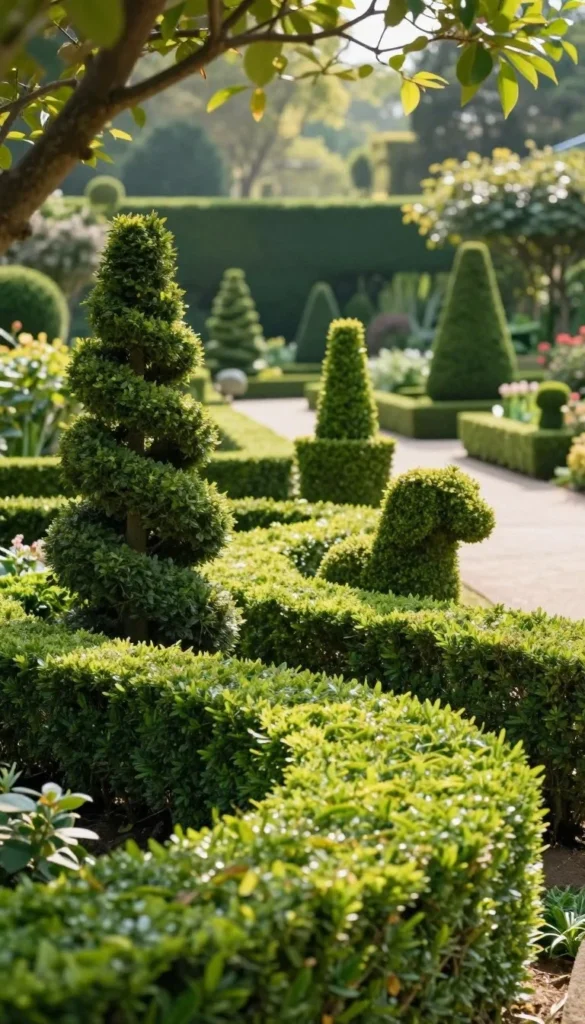
One way to accomplish this balance is to include boxwoods in your design. These are versatile shrubs that can be used in many different settings and are always in style. With a variety of Boxwood landscaping ideas, a plain, uninspired lawn can be created into a stylish network of outdoor rooms.Boxwoods are unique in their biology: this is what makes them so useful. Evergreen, they are always in view year-round. Their natural growth form has a number of unique benefits for the homeowner with a hectic lifestyle:
Moderate growth: Will spend much less time in pruning and maintenance.
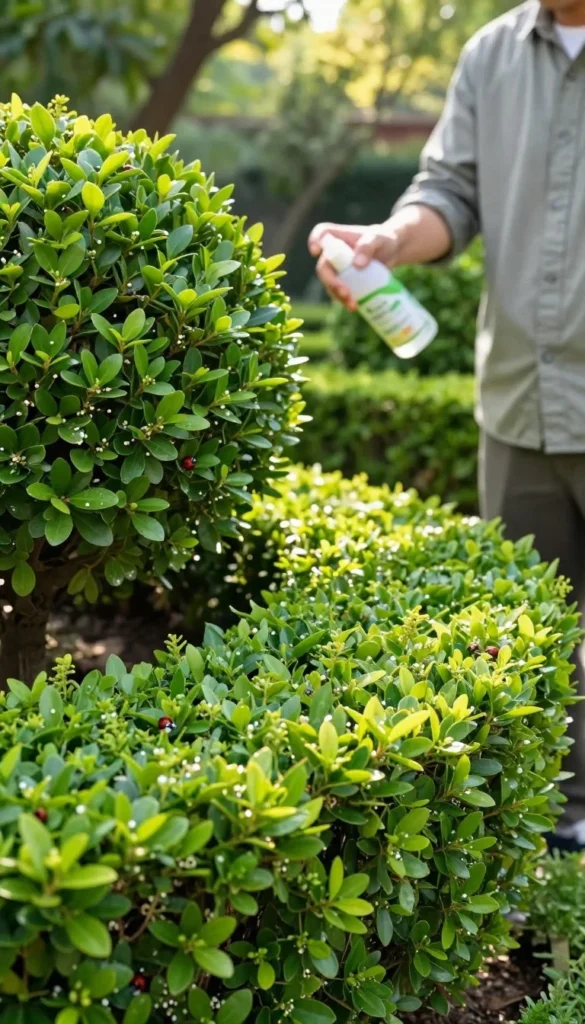
Neat and compact appearance, little or no intervention: Tidy habit.
Versatility: Can be used as formal hedges or as soft, rounded accents.
Building garden structures provides the base for other plants to flourish. Boxwoods are used as an ideal backdrop, accentuating the focal points you choose while grounding the entire design. Regardless of the size of your project, whether you’re a small front yard or a big backyard, these shrubs are dependable and beautiful for a professional finish.
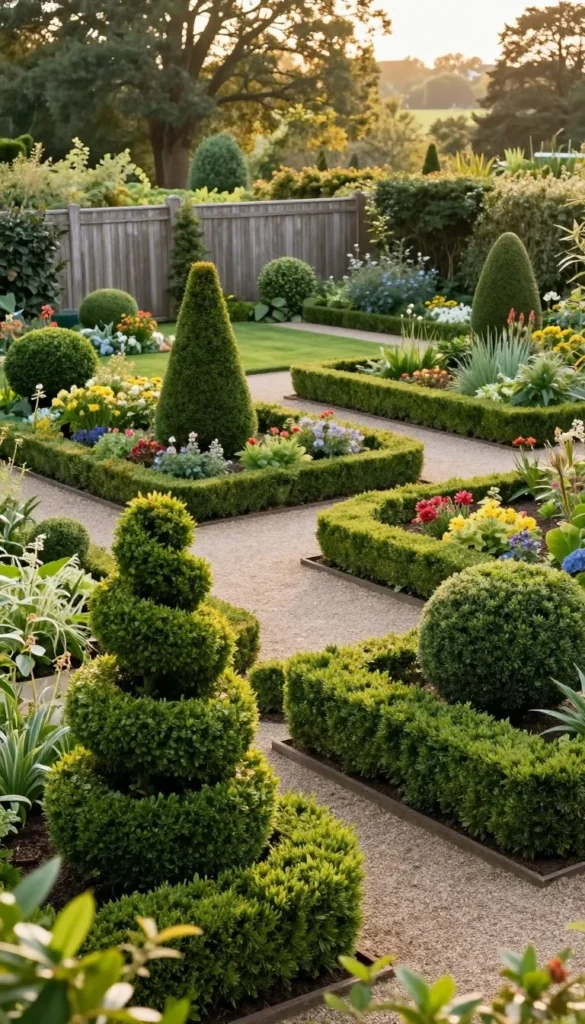
Boxwood Topiary is a favorite item in the garden, so here are our top 7 Garden Border Ideas using elegant boxwood topiary!
Boxwood topiary plants can be used to create unique garden borders. The plants are evergreen with leaf year-round. This way, you can enjoy a beautiful outdoor area throughout the winter season.
A professional appearance can be achieved in your garden with the appropriate boxwood type. It will clearly outline your planting beds.
Formal Geometric Parterre Borders
Form is the key to a formal garden design and so are symmetry and clean lines. Place boxwood in patterns, as a frame for your flower beds. This gives your garden a planned piece of art which will appear ageless and classy.
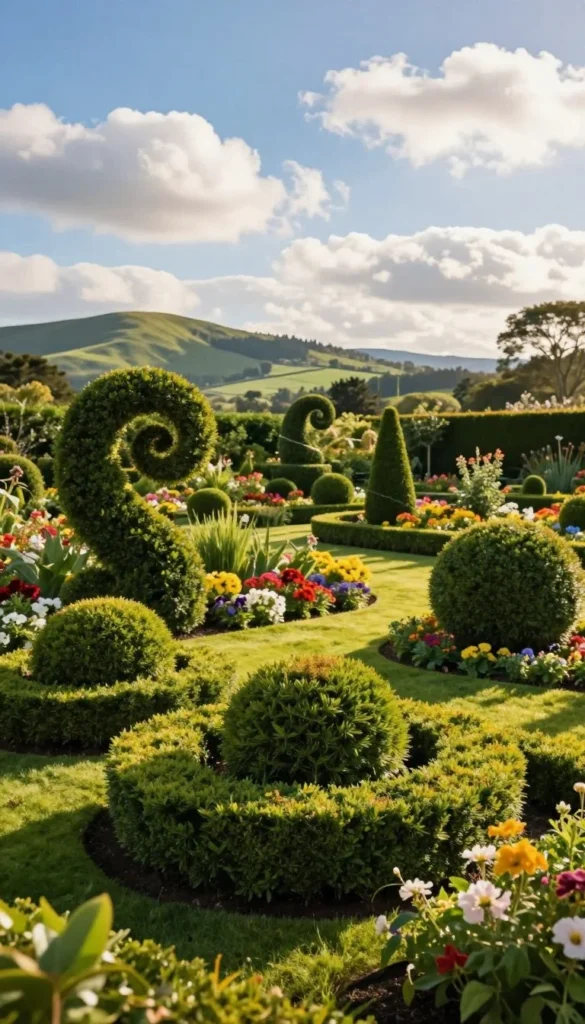
Processed Cottage Garden Edging
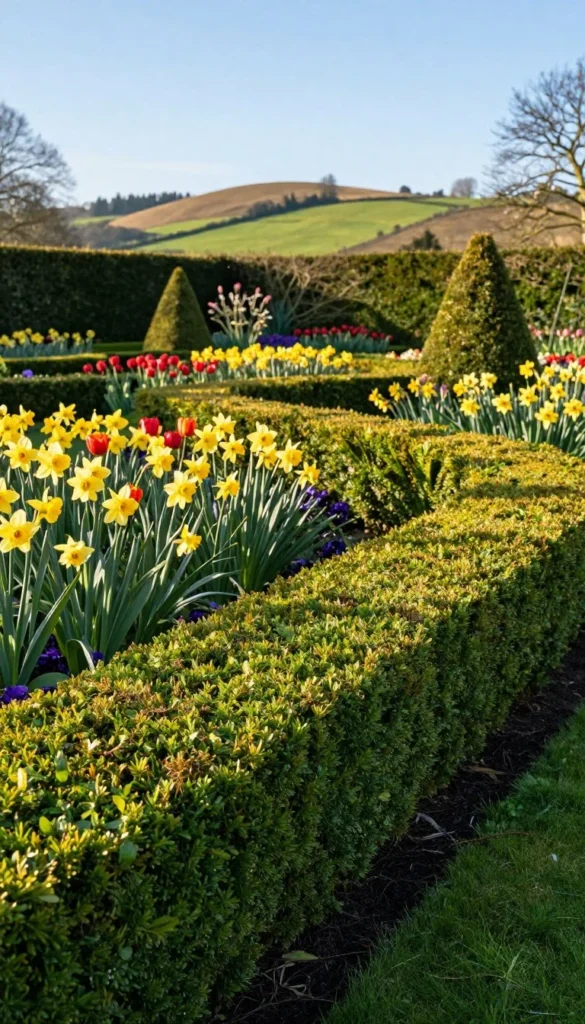
Use boxwood for edging your cottage garden for a more relaxed look. This can help keep your garden organized and provide a green backdrop for flowers. It’s a beautiful contrast between the boxwood and wild flowers.
Spiral Topiary Accents in tiers.
To add a vertical interest, plant spiral shaped boxwood topiary plants around your borders’ corners. They catch the eye upward and give drama to these shapes. They’re perfect for small gardens where every detail matters.
Low-Profile Hedge Pathways
Boxwood hedges are excellent candidates for low maintenance gardening, as walkways. They are easy to maneuver around your garden with. Boxwood is a slow growing plant and you’ll be spending less time pruning, and more time enjoying your paths.
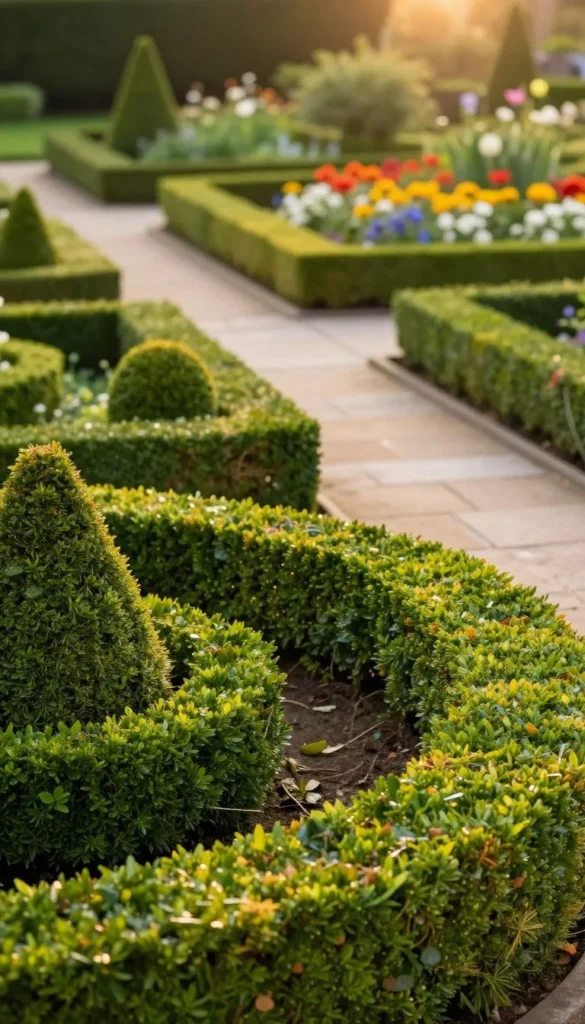 The combination of spheres and cubes in architecture.
Use alternate spheres and cubes in your borders for a contemporary look. This geometric design creates a sense of intention and high-end. A quick method of adding interest without overpowering your plants.
A wildflower patch of mixed perennials and Boxwoods.
A combination of perennials and boxwood provides an interesting seasonal interest. Pro tip: bulbs that are planted in a boxwood edged bed will cover up the post-blooming leaves. This is to help keep your garden tidy, even if you’re not getting the flowers.
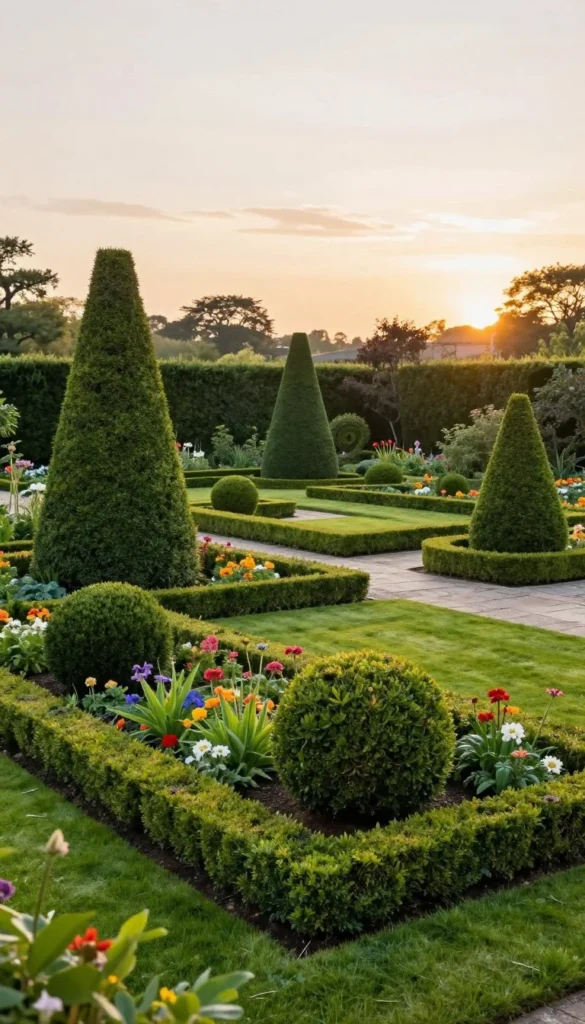
The key to a good garden is the interplay of permanent trees and shrubs and ephemeral seasonal flowers.Contemporary Linear B Borders – Minimalist Style
The key element in a modern garden border is the clean lines. For edges to your lawn or patio use long straight boxwoods. This approach is for simplicity; let your plants be the show.
Border Style
Best For
Maintenance Level
Formal Parterre
Symmetry
High
Cottage Edging
Softening
Medium
Minimalist Linear
Modern Look
Low
Spiral Accents
Focal Points
High
Choosing a Boxwood that is suitable to your climate.
The first step in creating a lush border is selecting the boxwood that is best for your location. The success of a garden is dependent on climate compatibility. Selecting a variety which is adapted to a particular area reduces future maintenance.
Soil drainage and winter hardiness are the professional landscaping tips that are vital. Other boxwood species must be used in the U.S. in different zones to prevent winter damage. For instance, ‘Green Velvet’ is ideal for cold climate areas for its hardiness and shape.
For the warmer southern regions, use ‘Winter Gem’ or ‘Japanese Boxwood’ are better. They are tolerable of heat and humidity. These tips will help keep your plants looking great year-round!
With boxwood landscaping ideas, you have to know how plants grow. Some remain dwarf and others require frequent pruning. Be sure the size of the plant meets the design.
The key is to select the right boxwood to suit your soil and climate, and then it’s a strong landscape. A well planned garden will be beautiful for many years. Spending time on research now saves effort later.
The key to making plants last: Essential Planting Techniques for Longevity.
The first step to a good evergreen color is the soil and planting. Knowing how to plant your boxwoods will help them become strong and healthy. Planting is the most important part towards making your garden borders thrive for years.
First, make a hole that is twice the width of the root ball, but not any deeper. This will allow the roots to spread out without being mired in the ground. Proper spacing is also important. Helps to keep away plants and fungal issues.
Once planted, select the proper mulch for the root protection. Pine and hardwood mulches are best for boxwoods. They help to maintain moisture and pH levels in the soil that is favorable to evergreen leaves.
These planting methods can help your landscape stand the test of time! Caring for the roots from the outset saves work later. A handy guide to getting the planting right.
Planting Factor
Recommended Action
Primary Benefit
Soil Preparation
Apply organic compost
Promotes drainage and nutrients
Mulch Selection
Pine or hardwood bark
Plugs in roots without altering the pH
Planting Depth
Level with soil surface
Prolongs the life of the crown and resists crown rot and stress
Spacing
12 to 24 inches apart
Encourages necessary air flow
Topiary shapes that are considered pristine can be maintained using the following strategies:
Regular pruning is important to maintain boxwood topiary forms throughout the year. There are many who prefer easy-to-care-for gardens. But, these plants need regular care to stay in shape. Having a schedule to your garden will help it remain neat and tidy.
For good boxwood hedge maintenance, know when to prune. Prune in late spring or early summer when the plant is rapidly growing. Avoid pruning late in fall. New growth might not be ready for winter, and could get damaged by frost.
Your tools are important for your plants’ health and look. Worn or soiled blades can cause bruising of stems resulting in disease and brown tips. Some of the following tips will help with the upkeep of a boxwood hedge:
Frequently clean shears using mild soap or disinfectant solution, to remove sap.
The sharpest blades for the cleanest cuts, at the beginning of every season.
Clean tools between plants to prevent spreading disease.Pruning frequently encourages the plant to become dense and lush. Make small trims frequently rather than when it looks bad. This will allow the shrub to maintain a good appearance and healthy interior throughout the season.
Control of Pests and Diseases in Boxwood Borders
Boxwood pest control is critical to a healthy landscape for the long term. These shrubs are popular for their hardiness but can become infested and/or sick. It is important to watch out for and maintain a healthy garden for years.
The best protection against boxwood blight or leafminers is the early detection of the issue. Inspect hedges regularly, on undersides of leaves and inside shrub. Any changes of colour or texture may indicate trouble.
Pest control in boxwood does not need to be done with the use of a harsh chemical. Rather, concentrate on maintaining good plant health. A healthy and nourished shrub will be more resistant to diseases and pests.
To keep topiary healthy, here are a few steps:
Increase airflow to reduce humidity in heavy hedges to improve air circulation.
To avoid the fungus, sanitize pruning tools between plants by using a diluted bleach solution.
Be sure to check soil moisture to prevent root rot – a condition that may be confused with other diseases.
Cut off and dispose of any infected leaves immediately to prevent spread of blight.
This will help you to use less harsh chemical and make a sustainable garden. Regular boxwood pest management lets you enjoy your borders’ beauty without worry. With care, your outside area will be stronger and more stunning.Combining Seasonal Color with Evergreen Greenery
Seasonal color and evergreen structures are required for a balanced garden. Boxwood is a good all-year round basis. It is ideal for the colour changes of your favourite flowers. Planting layered combinations make for a year-round garden interest.
It’s a good idea to plant roses behind or in boxwood borders. The lower stems of the roses are exposed, but the dense boxwood foliage obscures them. This ensures your garden doesn’t look sparse throughout the season.
Consider using seasonal color to accentuate the lines of your topiary. Boxwood’s dark and shiny foliage may stand in stark contrast with bright annuals. Gives you the opportunity to rotate your garden’s appearance every couple of months without endangering the permanent green.
Keep these guidelines in mind for fantastic borders:
Architectural Integrity – Boxwood’s structure remains intact through the seasons with the fade of bloom.
Visual Depth: Different heights and textures give a professional and multi-dimensional appearance.
Long Interest: Spring and Summer colours, clean and green in Winter.
In garden design, a balance of permanent and temporary is a key element to the success. A garden with seasonal colors is an ever-changing, welcoming area. Your boxwoods will get the dignity of being the focal point of your floral arrangements.
Learn the design principles for balanced proportions in garden design.
Understanding garden proportions can transform your garden into an amazing space. Garden structure makes for an appealing and functional space. Boxwood topiary will help to bring out the focus and make each area of your garden special and connected.
Symmetrical designs work well in small areas. Copying your boxwood plants makes your garden appear larger. This technique involves repetition and rhythm for relaxation and peace.
Sustainable garden design helps to maintain a long-lasting, vibrant garden. If you have the right size boxwood then you will need less pruning and chemicals. A well balanced garden is not only beautiful, but is also easy to maintain.
If you want a professional appearance, consider the relationship of shapes in your garden structure. Use a variety of heights and textures to hold the viewer’s interest. The following table will illustrate how each of the design elements contributes to a well balanced garden.
Design Element
Primary Function
Visual Impact
Symmetry
Creates order
Expands perceived space
Rhythm
Guides the eye
Provides movement
Proportion
Ensures scale
Adds natural harmony
Contrast
Highlights features
Increases focal depth
Your objective is to make your garden appear as though it is an extension of your house. These are some important guidelines to help you make your boxwood borders the centerpiece of an attractive landscape. Be mindful of the relationship between plants and buildings for the ultimate appearance.
Conclusion
Building a beautiful landscape requires time and a definite picture of what they are looking for. Boxwood topiary can be incorporated into your garden to create a neat and sharp edge to your garden.
You can create a garden that evolves and develops over time. If you choose the appropriate plants and follow your plans, you’ll learn how to create a formal garden design. This will ensure that your yard is something that you can be proud of all year long.
Plenty of work will be rewarded with a beautiful garden. A formal garden can be used as a design element to enhance the appearance of your home and also provide a quiet area to relax. Now you know how to create sculptural plants!
Get your outdoor space ready to be organized today! Show off your progress with local gardening groups or get advice from experts at Monrovia Nursery. You’re about to transform your dream garden into reality!
FAQ
What varieties of boxwoods are suitable for making a low hedge pathway?
If you are looking for a small hedge, consider Buxus microphylla ‘Winter Gem’ or Buxus ‘Green Velvet’. Grows slowly and maintains a dense growth form. In zones 5-9, ‘Winter Gem’ will keep your paths green, even in cold weather.
What can I do to keep my shallow rooted boxwoods from getting damaged when planting?
Protect the roots by preparing the soil well and keeping it moist. Mulch with 2-3 inches of organic mulch around the base. With a slow-release fertilizer this helps your Buxus sempervirens to grow.
When is the best time to prune boxwood topiary for good density?
Remove in late spring or early summer when new growth is firm. Do not prune in late fall as frost can be a problem. Keep cutting tools sharp and clean and for clean cuts.
What are the symptoms of Boxwood Blight and how do I stop it destroying my garden border?
Look out for dark brown spots and black streaks on stems. Boxwood Blight is a warm and humid fungus. Water by drip and air circulation to control it. Prune off diseased stems; treat with fungicide as necessary.
Can I plant flowers and boxwood together, but not harm the boxwood?
Yes, boxwoods are great for evergreen backdrops. Combine with perennials such as Lavender or Salvia. Annuals or bulbs for colour, but be careful not to dig too near boxwood roots.
What garden design rules should I adhere to to have a well-balanced garden?
Attention to scale and rhythm for a fabulous look. For tall structures in large backyard settings use American Boxwood. Geometric patterns or topiaries in spiral shapes add flow in small spaces.
What can I do to keep topiary from being destroyed by pest problems such as Boxwood Leafminer?
Use pest resistant varieties such as Buxus ‘Green Mountain’. Apply imidacloprid insecticide in early spring if pests occur. This prevents larvae and maintains good looking borders.

Hi, I’m Emma .
i founded HomeDecorCozy more than 14 years ago, and I began sharing the ideas with people who wanted to make beautiful homes without spending too much money.