Lawn & garden

Lawn & garden

3 Elegant Backyard Retreat Modern Outdoor Living by Candela

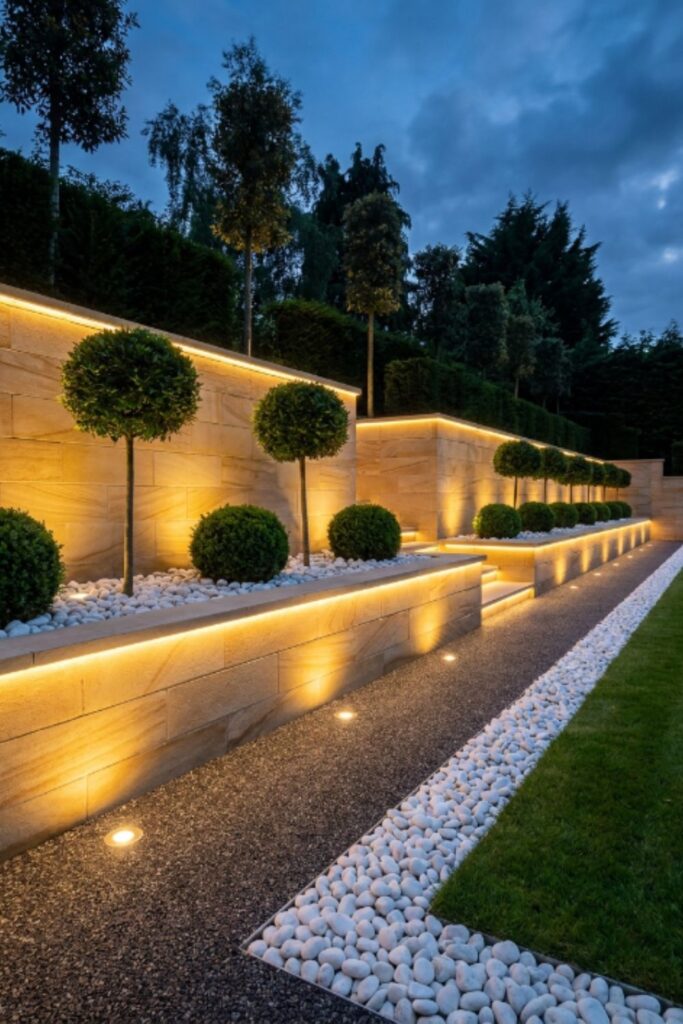
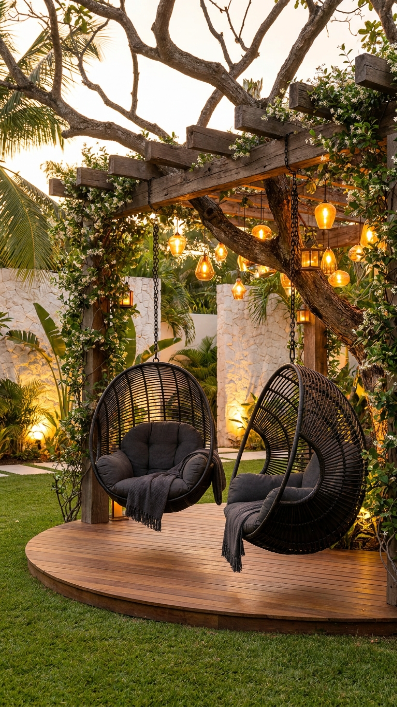
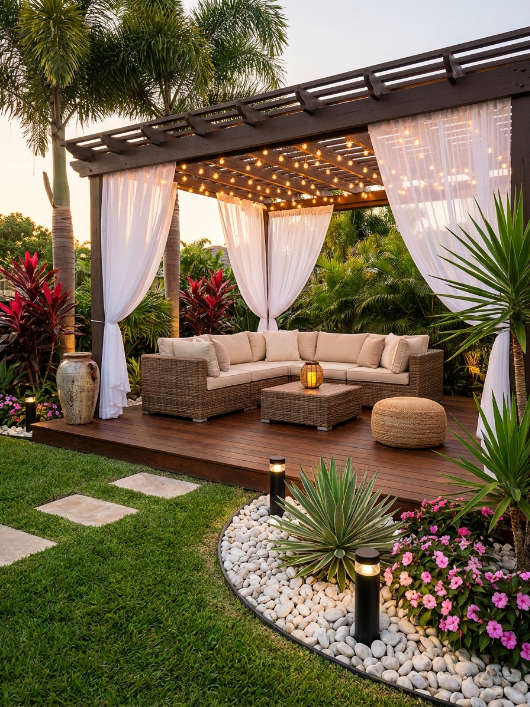
Your home is more than a house. It’s a place to unwind. Creating a haven on your property allows you to bring the outdoors in.Luxury outdoor spaces are crucial. These spaces extend your living area, making it a retreat. They promote calm and mindfulness.Renovating your space needs balance. You need to consider beauty and comfort. Good design means the garden will be attractive and usable for decades. Key Takeaways Luxury areas extend the living space of your home.Emphasizing design enhances the aesthetics and functionality of your outdoor space.Enclosed gardens enhance your connection with nature.Hiring a pro helps you design your space to suit your needs.It also adds value to your home. Defining the Modern Backyard Aesthetic Your backyard should be an extension of your home. Contemporary backyard design means your garden should complement your home.To achieve this, create a seamless flow from the inside to the outside. Large sliding or bi-fold glass doors are essential. It’s seamless and opulent.“Good design is one that integrates the inside and outside spaces seamlessly.”For an upscale appearance, be consistent. Extend your kitchen flooring onto your patio. This makes your outdoor living space look coordinated and more open.And choose a paint scheme that coordinates outdoor furniture and decorations with nature. This modern backyard style makes your home look contemporary year-round. 3 Elegant Backyard Retreat Modern Outdoor Living | Candela Concepts Your backyard is an extension of your home. It’s a place for relaxation and fun. You can design a 3 Elegant Backyard Retreat Modern Outdoor Living | Candela space that’s stylish and unique. From a place where you can meditate to a hub of social activity, here are some tips. The Zen Garden Minimalist Retreat A minimalist garden is clean and simple. Featuring native vegetation and rocks, it is soothing and natural. This style eliminates distractions, so you can enjoy nature at home.This garden style offers a sense of calm through proportions and emptiness. A minimalist garden is a little retreat from the world. It’s the epitome of urban living. The Chic Alfresco Dining Room An alfresco dining spot is great for entertaining. It’s a posh dining and party area, blending styles with comfort. With quality appliances such as grills and pizza ovens, you can cook better.Outdoor cooking doesn’t compromise taste. Plush seating and warm lighting makes every meal special. This space can be used year-round. The Warm Conversation Area by the Fire This fire-side conversation nook adds warmth and intimacy to your backyard. It’s perfect for cold evenings, and a place for serious chat. Fire pits or fireplaces transform an empty space.The fireplace conversation spot is ideal for all hours. It’s great for coffee in the morning or wine in the evening. It’s a year-round addition to your backyard.How to Light Your Retreat The right lighting transforms your backyard into an enchanting haven. After all, when the sun goes down, your garden doesn’t have to disappear. Choosing the right lighting for outside can turn your garden into a cosy space. This invites you to stay out longer. Landscape lighting is all about using different light sources for visual interest. Look for features in your backyard, such as a tree, wall, or fence. Spotlights on these can give your property a professional appearance.Your backyard will also be safer. Pathway lights offer a safe way for guests to navigate your stairs and walkways. These little lights provide security and style to your home. “Light is the most important element in any space, as it dictates the mood and reveals the beauty of the architecture.” Here are a few types of lights to consider. All play a part in your landscape design.Lighting TypePrimary PurposeBest PlacementPath LightsSafety and GuidanceWalkways and DrivewaysAccent LightsHighlighting FeaturesTrees and SculpturesDecorative LanternsAmbiance and StyleDining Tables and PatiosKeep in mind that outdoor lighting should not be harsh. You want to highlight your garden’s beauty, not overwhelm it. Proper lighting will make your backyard the perfect place to relax. Using Eco-Friendly Materials in Landscaping You can make your backyard beautiful and sustainable, too. Sustainable outdoor materials allow you to build a beautiful and environmentally-friendly oasis. This ensures your oasis is a sustainable investment that celebrates your home’s charm.Sustainable choices ensure your furnishings and hardscape withstand the elements. Longevity is important for sustainability, because it reduces the need for frequent replacements. High-quality sustainable items ensure you’ll enjoy your outdoor space for many years to come.Many homeowners prefer to use recycled materials like metals. Some of these eco-friendly outdoor furnishings have a certain character. They can be combined with contemporary styles and elements to give an upscale feel.“The most sustainable building is the one that is already built, or the one that is built to last for generations.” — Sustainable Design Philosophy Here are some of the most common sustainable choices for your project. All are good options for your garden.MaterialPrimary BenefitBest Use CaseReclaimed TeakHigh DurabilityDining TablesRecycled AluminumRust ResistanceModern SeatingComposite DeckingLow MaintenancePatio FlooringNatural StoneTimeless AppealGarden PathwaysIt’s satisfying to invest in sustainable outdoor materials. It transforms your home and offers a haven that’s both functional and beautiful. Your commitment to sustainability. Create a Luxury in a Small Backyard Creating a small backyard luxury oasis takes imagination and planning. Small backyard luxury doesn’t require a mansión. Think about how you can use space. So you can create a luxury look that’s warm and spacious. Think up to make better use of space. Hang planters, lights or decorative screens from the wall. This makes your garden appear larger. Smart design, such as using multi-functional furniture or decking with tiers, helps make different areas in your garden. Contemporary comfort is achieved through tech that enhances your experience. Set up automated sound systems that blend into your garden, so you can enjoy the best sound without bulky tech. And you can use automatic heat to enjoy your backyard longer, making it warmer as the sun sets.And clever technology with style makes your home more lovely. Small backyard luxury is a space for you. Outdoor technology makes your small backyard fancy, like a

Lawn & garden

Paletten-Ideen für den Garten: 9 kreative DIY-Projekte

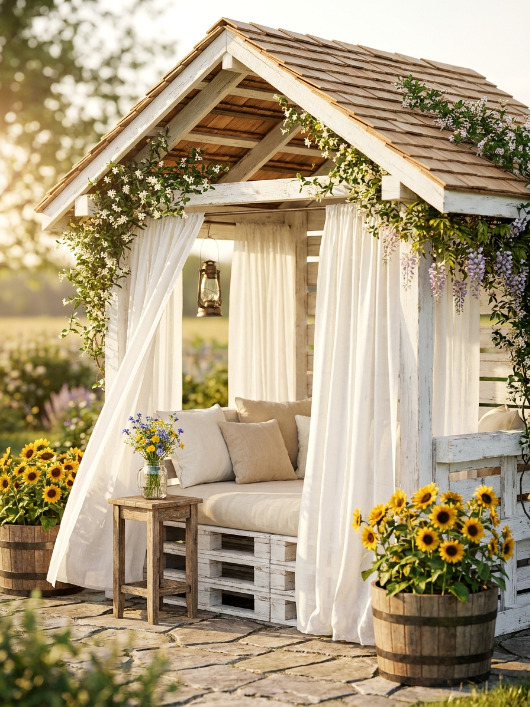
Want to make your outdoor space look better without spending a lot? Turning wooden pallets into useful and beautiful items is a great idea. These DIY pallet projects are easy to do and add style to any home. Whether you have a big backyard or a small balcony, you can make unique furniture and decor. Using these materials saves money and lets you create something special. Embracing sustainable design has never been easier or more rewarding. Paletten-Ideen für den Garten: 9 kreative DIY-Projekte This guide will show you 9 creative DIY pallet projects for your garden. We’ll give you all the info you need to make your DIY pallet projects look and last great. Let’s start making your dream outdoor space today. Key Takeaways Repurposing wooden pallets is a cost-effective way to enhance your outdoor living area. These projects are suitable for various skill levels, from beginners to experienced builders. You can create custom furniture, vertical gardens, and decorative accents with minimal tools. Sustainability is a core benefit of using reclaimed wood for your home improvement tasks. Proper preparation and safety measures ensure your finished pieces are both sturdy and long-lasting. The Versatility of Wooden Pallets in Modern Landscaping Modern garden landscaping needs creative solutions that are both stylish and practical. Wooden pallets are perfect for this, thanks to their durability and design. They’re a top choice for making outdoor spaces better. Using wooden pallets helps the environment by reducing waste. It turns industrial items into useful materials for your projects. Whether you’re new or experienced, you can make something unique. wooden pallets in garden landscaping Pallet furniture adds a rustic touch to any style, from farmhouse to industrial. You can sand, paint, or stain it to fit your decor. This makes your DIY projects look great and intentional. Not sure where to start? Here’s a quick guide to common pallet projects: Project Type Difficulty Level Primary Benefit Vertical Herb Garden Easy Space Efficiency Outdoor Lounge Sofa Moderate Comfort and Style Garden Tool Organizer Easy Organization Tiered Flower Stand Moderate Visual Impact Choosing pallet sustainability lets you create unique pieces that show your style. As you use wooden pallets in your garden landscaping, you’ll find it’s as fulfilling as the end result. Begin with simple pallet furniture and see your outdoor space grow into a cozy retreat. Essential Safety Tips Before You Start Your Paletten-Ideen für den Garten: 9 kreative DIY-Projekte Before you start, make sure to follow these safety tips for your pallet projects. Building DIY garden furniture is fun, but safety comes first. Preparing your materials well keeps your creations safe and durable. First, check each board for hazards. Look for splinters, nails, or rot that could harm the structure. Also, avoid pallets treated with harmful chemicals by checking for “MB” stamps. Always choose pallets marked with “HT” for pallet safety. pallet safety After picking safe wood, prepare the surface. Sand the wood to remove splinters and smooth it out. This makes paint or stain stick better and protects your hands. Here’s a quick guide to keep your workspace safe and organized: Safety Category Action Required Benefit Wood Inspection Check for “HT” stamps Avoids toxic chemicals Surface Prep Sand all rough edges Prevents splinters Structural Check Remove old nails Ensures stability Finishing Apply weather sealant Increases longevity By following these tips, your DIY garden furniture will be a backyard highlight. Keeping pallet safety in mind lets you enjoy the creative process without worry. Vertical Herb Garden for Small Spaces Turn a simple wooden structure into a vertical herb garden for your balcony or patio. It’s perfect for those with little space but want to grow their own food. Growing up saves space and lets you harvest more. vertical herb garden Selecting the Right Pallet Wood Choosing the right material is key for your garden. Always pick heat-treated (HT) pallet wood for safety. Make sure it has the HT stamp to grow edible plants safely. Also, pick durable wood to handle moisture from watering. Hardwoods resist rot well, making a stable foundation for your herbs. Mounting Techniques for Stability After preparing your pallet wood, make sure it’s stable. A heavy garden needs strong anchoring. Use heavy-duty L-brackets or wall anchors to secure it to a wall or fence. For balconies, use freestanding supports that lean against the wall. This spreads the weight and keeps it stable. Always check the base is level to avoid tipping in the wind. This makes a safe and thriving space for your herbs. Rustic Garden Bench with Storage Building a rustic garden bench is a great way to add both comfort and storage to your outdoor area. It lets you store gardening tools, cushions, or blankets while offering a cozy spot to relax. Using pallets makes it a unique and eco-friendly piece of furniture. rustic garden bench Structural Reinforcement for Seating When making seating, safety is key. Pallets aren’t made for heavy loads, so you need to add extra support. This prevents the wood from sagging or breaking. Use heavy-duty screws and metal brackets to make the joints strong. “Good design is as little design as possible,” Dieter Rams said, and it’s true for your bench. Keep it simple but make sure every joint is solid. Reinforcing the base will make you feel confident when you have guests. Adding Weather-Resistant Finishes Since your bench will be outside, it needs protection from the weather. Untreated wood can rot and damage from sun and rain. A good sealant or stain will help it last longer. First, sand the wood to get rid of splinters and make it smooth. Then, apply a weather-resistant finish that goes deep into the wood. This step keeps your bench looking great and lasting for years. Tiered Flower Stand for Colorful Displays Build a custom tiered flower stand from reclaimed pallets to elevate your botanical collection. It becomes a beautiful focal point, showcasing your favorite blooms at different heights. Use stencils or pencil outlines before painting to get a professional finish. tiered flower stand “To plant a garden is to believe in tomorrow.” Audrey Hepburn Designing for Optimal Sunlight Light exposure is key for plant growth. Before placing your tiered flower stand, watch how the sun moves in your yard. Place it where it gets at least six hours of direct sunlight for sun-loving flowers. For shaded gardens, choose plants that do well in low light. Rotate your pots to ensure balanced light for all plants. This keeps your display vibrant all season. Drainage Considerations for Potted Plants Good drainage prevents waterlogging and root rot. Make sure each pot has holes at the bottom. Adding gravel or expanded clay pebbles at the base helps water flow. Use high-quality potting mix instead of garden soil. This keeps moisture levels better. Check the table below for plants that fit different levels of your display based on their water needs. Tier Level Plant Type Water Requirement Top Tier Trailing Petunias Moderate Middle Tier Geraniums Low to Moderate Bottom Tier Hostas High Manage drainage and sunlight well for a healthy, eye-catching tiered flower stand. Regular care keeps your display beautiful and blooming. Custom Garden Tool Organizer A dedicated garden tool organizer keeps your shed tidy and efficient. By using pallet wood, you can make a strong storage solution. This project helps organize your garden and saves money on racks. garden tool organizer Customizing Slots for Specific Tools Reclaimed materials let you design for your needs. Start by sorting tools by size and weight. Customizing slots ensures heavy tools stay secure and small ones don’t get lost. Measure each handle and cut notches in the pallet’s top slat. Add blocks or hooks for smaller items. This way, every tool has its place. Wall-Mounting vs. Freestanding Options Choose between a wall-mounted or freestanding rack based on your space. A wall-mounted garden tool organizer is perfect for small sheds. It keeps tools off the floor, protecting them from moisture and pests. A freestanding unit is great for those who prefer not to drill into walls. Add casters for easy movement. This makes it easy to move tools to your garden when needed. Feature Wall-Mounted Freestanding Space Efficiency High Moderate Installation Requires Anchors Simple Assembly Mobility Fixed High (with wheels) Best Use Small Sheds Large Garages Cozy Outdoor Lounge Sofa Turn your patio into a luxury retreat with a custom outdoor lounge sofa from wooden pallets. This project is a cost-effective way to add style to your backyard. It also provides durable seating for your family and guests. By repurposing materials, you create unique pieces that reflect your personal taste and garden aesthetic. outdoor lounge sofa Stacking and Securing Pallet Bases Building a sturdy foundation is key when working with pallet furniture. Stack two layers of pallets for the right seating height. Make sure the wood is clean and free of rot. Use heavy-duty wood screws or metal brackets to connect the pallets. This prevents them from shifting during use. For extra stability, bolt the base to your deck or use concrete pavers on grass. This creates a solid frame that safely supports weight. You can arrange the pallets in an L-shape or a straight line to fit your outdoor space. Choosing Comfortable Outdoor Cushions Once your frame is secure, choose the right cushions for comfort. Opt for high-density foam inserts for firm support. They won’t flatten out after a few uses. It’s essential to pick fabrics made for outdoor use. Look for solution-dyed acrylics that resist fading and moisture. Consider the following comparison to help you decide on the best configuration for your seating area: Configuration Space Required Seating Capacity Complexity Single Bench Small 2 People Low L-Shaped Sofa Medium 4-5 People Medium U-Shaped Lounge Large 6+ People High Investing in quality cushions will make your DIY outdoor lounge sofa a favorite spot. Proper maintenance, like covering it during heavy rain, will keep it looking fresh for many seasons. Functional Potting Bench for Gardeners Building your own potting bench lets you make it fit your gardening needs perfectly. It’s a key part of your outdoor furniture that helps with planting, repotting, and mixing soil. Having a dedicated spot keeps your area clean and your tools handy. potting bench Ergonomic Height Adjustments The height of your bench is crucial. A bench that’s too low can hurt your back quickly. Proper ergonomics mean you can work comfortably while caring for your plants. To get the right height, stand with your arms relaxed and elbows bent at 90 degrees. Measure from the floor to your elbows, then subtract 4 to 6 inches. This makes your hands work at the perfect level, avoiding strain. “The garden is a place where the soul finds rest, but the body needs the right tools to keep the work sustainable and joyful.” Integrating Workspace and Storage A good potting bench has a sturdy surface and smart storage. Lower shelves can hold potting soil, fertilizer, and heavy pots. Side hooks or a pegboard back are great for hanging tools like trowels and shears. Here’s a table to help plan your bench based on your height and storage needs: Feature Standard Design Ergonomic Customization Working Height 30 inches User-specific (Elbow height – 5″) Storage Capacity Single shelf Multi-level shelving + side hooks Surface Material Basic pallet wood Reinforced, weather-treated slats Mobility Stationary Optional heavy-duty casters Organizing your supplies turns this outdoor furniture into a top-notch workstation. A well-thought-out layout saves you time and effort. This lets you focus more on your plants’ health and growth. Decorative Privacy Screen and Trellis Enhance your garden decor with a pallet trellis. It’s both functional and stylish. A privacy screen turns an open yard corner into a quiet spot. Wooden pallets make a natural barrier that fits your landscape. “The garden is a mirror of the soul, and a well-designed space provides the quiet we all crave.” — Anonymous Anchoring for Wind Resistance Stability is key for outdoor structures. To keep your screen steady in strong winds, anchor it well to the ground. Use heavy metal stakes or concrete footings to stop it from toppling. For a temporary fix, attach the pallet to a heavy planter box. Fill it with soil or stones for extra weight. Check your setup often to make sure it’s still secure. Training Climbing Plants on Pallet Slats A privacy screen is great for climbing vines and flowers. Pallet slats give plants a place to climb. This makes a colorful, changing garden decor feature. Fast-growing plants like jasmine, clematis, or ivy work well. They quickly cover the screen. Prune them regularly to keep your trellis looking good all year. Whimsical Garden Path and Walkway Creating a whimsical garden path is a great way to guide visitors through your outdoor space. It adds a unique, textured element that matches your DIY garden furniture perfectly. Using reclaimed materials makes the walkway feel rustic yet intentional. Preparing the Ground Surface The walkway’s longevity depends on ground preparation. Clear the area of grass, rocks, and debris for a flat base. Dig a shallow trench to ensure the wood sits flush with the soil. Using landscape fabric is a crucial step to stop weeds. Cover it with crushed gravel or sand for better drainage. This keeps your garden path stable and prevents wood from shifting in rain. Treating Wood for Ground Contact Protecting the wood from moisture, rot, and insects is key. Untreated wood decays quickly in damp soil. Use a high-quality wood preservative for ground contact to ensure durability. Regular maintenance keeps your path looking great for years. Here are some options for protecting your materials: Treatment Method Best For Maintenance Frequency Pressure-Treated Wood Structural longevity Every 3-5 years Linseed Oil Natural finish Every 1-2 years Bitumen Paint Bottom surface seal Initial application only By following these steps, your DIY garden furniture and pathways stay safe and attractive. Proper preparation and treatment let you enjoy your custom walkway all year round. Conclusion These nine projects show how wooden pallets can transform your backyard. Now, you can turn simple materials into beautiful pieces for your home. Remember, safety and structural details are key to success. Each project is a chance to express your style and creativity. You can adjust these designs to fit your patio or garden beds perfectly. Brands like Minwax provide great wood stains to protect your creations. High-quality outdoor cushions from Home Depot will keep your furniture comfy for years. Your garden is a reflection of your personality and effort. Use these ideas to make your garden unique. Start your project this weekend and enjoy your new outdoor space. FAQ How can you ensure the safety of the wood used for your Paletten-Ideen für den Garten? Always check the pallets for HT (Heat Treated) stamps before starting. This means the wood is safe for your home. Avoid pallets with MB (Methyl Bromide) stamps, as they have harmful chemicals. Choosing clean, safe industrial materials is key to pallet sustainability. What is the best way to prevent your DIY garden furniture from rotting? Use top-notch weather-resistant finishes like Thompson’s WaterSeal to protect your creations. When making a garden path or walkway, treat the wood for ground contact. This stops rot and decay and keeps your projects strong for years. How do you achieve a professional paint finish on a tiered flower stand? Lightly sand the wood before painting to improve paint adhesion. Use stencils or pencil outlines for clean lines. This prep work turns pallets into a stylish focal point for your yard. Can a vertical herb garden be installed on a small apartment balcony? Yes, these gardens are perfect for small spaces. Use strong mounting techniques to attach it securely. Make sure the pallet wood can hold the weight of wet soil and plants. What should you consider when designing a functional potting bench? Make sure the height is comfortable to avoid back pain. Add a wide workspace with storage for tools like Fiskars shears or Corona trowels. This keeps your tools organized and easy to reach. How do you make a cozy outdoor lounge sofa feel as comfortable as store-bought furniture? Start by making a solid base with stacking and securing pallets. Then, add plush outdoor cushions from Sunbrella. This mix of structural reinforcement and soft fabric turns industrial materials into a cozy spot. How do you ensure a decorative privacy screen stays upright during high winds? A: Anchoring for wind resistance is crucial for tall structures. Use heavy-duty stakes or concrete footings to keep it stable. This lets training climbing plants grow safely along the pallet slats without the risk of it falling. Hi, I’m Emma . i founded HomeDecorCozy more than 14 years ago, and I began sharing the ideas with people who wanted to make beautiful homes without spending too much money.  Pinterest Paletten-Ideen für den Garten: 9 kreative DIY-Projekte Learn more 7 Modern Small House Exterior Design Ideas for a Beautiful Dream Home Learn more Best 6 Balcony Decor Ideas for a Cozy & Stylish Space Learn more

Lawn & garden

Best 6 Balcony Decor Ideas for a Cozy & Stylish Space

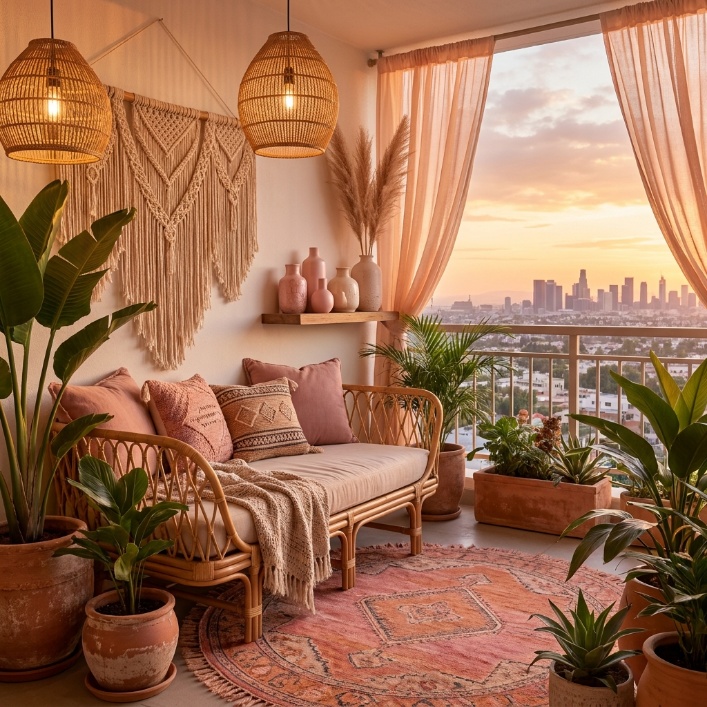
Do you often overlook your outdoor landing because it feels too cramped? You can easily turn that limited footprint into your favorite retreat. Even if you only have 24 to 60 square feet, intentional small balcony decor choices make a massive difference. Best 6 Night Balcony Decoration Ideas for a Small and Stylish Space Creating a cozy balcony is about making the most of every inch. By picking the right furniture, you can turn an empty space into a useful part of your home. This lets you enjoy the fresh air without leaving your place. Smart layouts help you make the most of this often-neglected area. With a few simple changes, you’ll find yourself spending more time outside. Let’s dive into how to make your outdoor space better today. Key Takeaways Small outdoor areas offer significant potential for relaxation. Intentional design maximizes limited square footage effectively. Functional furniture choices create a seamless home extension. Strategic planning turns overlooked zones into inviting retreats. Simple updates improve your overall quality of life. Setting the Foundation for Your Outdoor Sanctuary Your journey to a perfect outdoor sanctuary starts with a clear vision. Most small balconies are between 24 and 60 square feet. Every inch matters, so plan carefully to avoid clutter. outdoor sanctuary Designer Ashi Waliany recommends matching your balcony with your home’s colors and textures. This makes your balcony design feel like a natural part of your home. When your inside and outside look good together, moving between rooms is smooth and welcoming. “A well-designed balcony should reflect the same personality and comfort found inside your home, creating a cohesive flow that invites you to step outside.” To create a great balcony oasis, balance looks with function. Think about how you’ll use the space, like for coffee, reading, or relaxing. Here’s a table to help you plan your layout based on your goals. Goal Key Element Space Strategy Dining Bistro Table Foldable furniture Lounging Floor Cushions Vertical storage Gardening Wall Planters Hanging baskets Start thinking about balcony design early to avoid mistakes. Choose items that have a purpose to keep your space open and airy. A solid foundation is key to a beautiful outdoor sanctuary you’ll love for years. Best 6 Night Balcony Decoration Ideas for a Small and Stylish Space As the sky turns gold, your balcony becomes a magical place. It’s perfect for sitting, reflecting, and unwinding. Turning your outdoor area into a captivating evening retreat is easier than you think. With the right small balcony decor, even the tightest urban corner can become a personal sanctuary after sunset. small balcony decor Effective balcony design balances beauty with function. You want a cozy space without clutter. Here are six ideas to enhance your evening: Warm LED String Lights: Drape them along railings for an instant glow. Solar-Powered Lanterns: Place these on the floor to define your space. Plush Floor Pillows: Add soft textures for a cozy feel under the stars. Mirrored Accents: Use small mirrors to reflect light and make your balcony feel larger. Night-Blooming Jasmine: Incorporate fragrant plants that release their scent only after dark. Weather-Resistant Curtains: Install sheer panels to soften your view and add privacy. “The best spaces are those that feel like an extension of your home, inviting you to step outside and breathe in the night air.” When you focus on layered lighting and soft textiles, your balcony design feels more intentional. Choose minimal furniture to ensure comfort. By prioritizing these elements, your small balcony decor will be perfect for quiet evenings and meaningful conversations. Layering Ambient Lighting for a Magical Glow To create a magical glow on your balcony, pick the right mix of light. Lighting is the ultimate mood enhancer. Mixing different lights creates a cozy atmosphere. You can change the mood to fit your evening plans. You don’t need a pro or complex wiring for balcony lighting. Portable lamps or decorative strands work well. They make your outdoor space warm and inviting. balcony lighting   Choosing the Right String Lights String lights add a whimsical touch to railings or walls. Choose weather-resistant materials for outdoor use. Look for durable, shatterproof bulbs for safety and long life. Wrap these lights around railings or drape them across the ceiling for a starry look. This balcony lighting offers a soft glow for relaxing. Make sure the strand fits your layout. Incorporating Solar-Powered Lanterns Solar-powered lanterns are great for balconies without outlets. They charge in the day and light up at night. They’re sustainable and convenient, with no messy cords. Place these lanterns on tables or hang them for focal points. They’re easy to move for a new look. They give a warm, flickering light like candles, but safer. Lighting Type Power Source Best Use Case String Lights Plug-in or Battery Wrapping railings or overhead Solar Lanterns Sunlight Tabletop or hanging accents LED Candles Battery Safe, flicker-free ambiance Selecting Comfortable and Space-Saving Furniture Turning a small balcony into a cozy spot is all about the right furniture. Look for low-profile, slim designs that don’t clutter the space. High-quality space-saving furniture lets you enjoy your balcony without feeling cramped. space-saving furniture   Folding Bistro Sets for Compact Areas Folding bistro sets are great for small spaces because they’re flexible. They can be folded away quickly, freeing up space for other activities. This makes your balcony a versatile area that meets your changing needs. “The best furniture for a small space is that which disappears when you do not need it, leaving room for life to happen.” Adding Plush Outdoor Cushions and Textiles After setting up your furniture, add soft cushions and textiles for a cozy balcony. These make a hard chair into a cozy lounge. They keep your balcony warm and inviting all year round. Choose durable, fade-resistant fabrics that last through the seasons. Pairing space-saving furniture with soft textures creates a stylish, functional space. This thoughtful choice makes your balcony a stylish retreat for years. Integrating Vertical Gardens and Greenery Elevating your plants creates a private space without using up floor space. A vertical garden makes your outdoor area feel softer and more textured. It gives you privacy while keeping your balcony feeling open. vertical garden   Utilizing Wall-Mounted Planters Wall-mounted planters are great for those with little floor space but want greenery. You can hang these on railings or solid walls to make a living wall. Strategic placement ensures your plants get enough sunlight and act as a natural privacy screen. Choose weather-resistant materials like powder-coated steel or treated wood for your hardware. These materials are durable for a long-lasting balcony garden. Make sure your wall mounts can handle wind gusts common in high-rise living. Selecting Low-Maintenance Night-Blooming Plants Picking the right plants is key for a beautiful display. Choose plants that match your balcony’s sun exposure to reduce daily care. Many night-blooming varieties have a magical fragrance that makes evenings more relaxing. Plant Variety Sun Requirement Maintenance Level Moonflower Full Sun Low Night-Blooming Jasmine Partial Shade Moderate Evening Primrose Full Sun Low Adding these plants to your vertical garden makes for a sensory experience. By choosing hardy, easy-to-care-for plants, your balcony garden stays lively all season with little work. Creating Privacy with Stylish Screens and Curtains Creating a balcony oasis in a busy apartment complex is key. You don’t have to give up natural light or fresh air to keep your space private. The right materials can turn your balcony into a cozy retreat. Installing Bamboo or Reed Privacy Screens Bamboo or reed privacy screens are great for a natural look. They’re light, easy to put up, and let air flow to keep your balcony cool. Just zip-tie them to your railing for a quick change. These screens also block wind and dust. They keep out unwanted views while adding a relaxed, earthy feel. Durability is a major benefit, as good bamboo lasts through many seasons. “A private outdoor space is not just a luxury; it is a necessary retreat for the soul to recharge amidst the urban rush.” Using Weather-Resistant Outdoor Curtains For a softer, more elegant look, try weather-resistant outdoor curtains. They resist fading, mold, and mildew, ideal for outdoor use. Hang them on a tension rod or track for a luxurious, resort-style feel. Curtains are flexible, letting you control privacy. Drawn, they make your balcony feel like a private room. They also soften the sun’s glare, making your balcony oasis more comfy in the afternoon. Material Type Best For Maintenance Level Bamboo Screens Natural Aesthetics Low Reed Fencing Budget-Friendly Moderate Outdoor Curtains Soft, Elegant Look High Enhancing Comfort with Rugs and Flooring Solutions Turning a cold concrete slab into a cozy spot starts with the floor. The floor is often overlooked but has the biggest impact on design. By picking the right balcony flooring, you can make a cold space warm and welcoming.   Choosing Durable Outdoor Area Rugs An outdoor rug is a simple way to hide ugly floors and add color or pattern. These rugs make your balcony feel soft and comfy, perfect for summer nights. Look for rugs made of polypropylene to keep them from getting moldy. Choose durable outdoor rugs that won’t fade in sunlight. A good rug can make your balcony feel like a real room. It brings indoor comfort to your outdoor space. Installing Interlocking Deck Tiles For a more lasting and neat look, try interlocking deck tiles. These tiles are easy to put together and don’t need special tools or glue. They’re great for renters because they’re easy to take with you when you move. You can pick from many materials, like weather-resistant wood, composite, or stone. These tiles make your balcony feel warmer and keep your feet dry in the rain. They give your home a sophisticated look right away. Feature Outdoor Rugs Deck Tiles Installation Roll out Snap together Comfort Soft and cushioned Firm and stable Maintenance Easy to hose off Sweep and occasional wash Best For Adding color/texture Permanent surface upgrade Personalizing Your Space with Decorative Accents Creating a cozy balcony is all about the details. These final touches turn a simple outdoor area into a personal retreat. By choosing decorative accents that show your style, your space will feel inviting and polished.   Adding Weatherproof Wall Art Outdoor walls are perfect for showing your personality. Look for art that can handle the weather, like treated metal, weather-resistant canvas, or ceramic tiles. Here are some ideas for your walls: Metal wall sculptures that get a beautiful patina over time. Weatherproof canvas prints with botanical or abstract designs. Decorative hanging plates from durable, glazed stoneware. Incorporating Mirrors to Expand Visual Space Mirrors are great for making a small balcony feel bigger. They reflect light and greenery, making your cozy balcony feel more open. Here’s how to use mirrors effectively: Mount a large, framed mirror on a solid wall to bounce light into darker corners. Use a collection of smaller, vintage-style mirrors for a gallery wall effect. Pair a mirror with a narrow, sculptural console table for depth and history. Maintaining Your Balcony Decor Throughout the Seasons Keeping your balcony beautiful all year takes regular care. Balcony maintenance stops damage and keeps things looking new. A little effort keeps your space inviting for relaxation. Cleaning and Protecting Outdoor Fabrics Outdoor fabrics like cushions and rugs need regular cleaning. Vacuum or brush them weekly to remove dirt. For tough stains, use a mild soap and a soft brush, then rinse well. Always have a place for drinks or books. This helps protect surfaces from spills and wear. A fabric guard spray can also help against stains and fading. Storing Furniture During Harsh Weather Extreme weather calls for furniture storage. Foldable items go in closets or bins to avoid rust and rot. For big pieces, use breathable covers to keep them dry. Storing your furniture right keeps it in great shape for winter. This way, you can enjoy your balcony for many years. Season Primary Task Maintenance Goal Spring Deep Cleaning Remove winter grime Summer Surface Protection Prevent UV damage Autumn Fabric Storage Avoid mold growth Winter Furniture Covering Shield from moisture Budget-Friendly Tips for High-End Balcony Aesthetics Creating a stylish balcony on a budget balcony is easy with creativity. You don’t need to spend a lot to make your space look expensive. Mix new items with antique pieces to create a collected look that shows your style. Repurposing Indoor Decor for Outdoor Use Look inside your home for treasures to save money. Items like decorative trays, metal lanterns, or weather-resistant baskets work great outside. Opting for weathered finishes gives your space a unique, high-end look without breaking the bank. Use old wooden crates as tables or a vintage mirror to reflect light and plants. These items often have more character than new outdoor furniture. Mixing these with your current setup gives your balcony a layered, designer appearance that feels cozy and intentional. DIY Projects to Elevate Your Balcony Style Doing simple DIY projects can make your outdoor space special. Paint terracotta pots with metallic or matte finishes to look like expensive stone planters. Making your own macramé plant hangers or sewing custom covers for cushions adds a bespoke touch that elevates your balcony’s look. Focus on DIY projects that add texture and warmth. For example, building a small vertical herb garden from reclaimed wood is both stylish and functional. These personal touches make your budget balcony a unique retreat that looks luxurious, despite its price. Conclusion Your balcony connects your cozy home to the fresh outdoors. It needs careful planning and creativity to fit your lifestyle perfectly. Even small changes can make a big difference. Choose smart furniture and lighting to turn a simple balcony into a lively part of your home. West Elm and IKEA have great options that fit any space. Keeping your balcony looking good all year is key. Take care of your fabrics and plants to keep it welcoming. It’s your own special place to relax. Start making your balcony dream a reality today. Pick one thing to do first. Share your progress with friends to inspire others. Your balcony is waiting for your personal touch. FAQ How can I ensure my balcony feels like a natural extension of my indoor living space? To make your balcony feel like part of your home, designer Ashi Waliany suggests using tones, textures, and silhouettes that match your interior. Start with a clear design vision to avoid clutter. This way, you create a strong foundation for your outdoor space. What are the best ways to light a small balcony without outdoor electrical outlets? For a magical glow, layer different light sources. Try string lights on railings and solar-powered lanterns. Portable table lamps are also a good choice. They let you change the ambiance and turn your balcony into a captivating evening retreat. What type of furniture works best for maintaining an open feel on a compact balcony? Choose low-profile, slim pieces like folding bistro sets to keep your space breathable. These pieces reduce visual clutter while offering comfort. Add plush outdoor cushions and textiles to make your seating area cozy all year. How can I add greenery to my balcony if I have very little floor space? A: Vertical gardening is perfect for small spaces. Use wall-mounted planters and trellises to create a living wall. Choose low-maintenance or night-blooming plants that fit your balcony’s sun exposure. How do I create a private outdoor space without sacrificing airflow or light? For a secluded nook, install bamboo screens or reed privacy screens. Another stylish option is weather-resistant outdoor curtains. They block views while adding a soft, oasis-like feel to your space. What are the easiest ways to upgrade a weathered concrete balcony floor? Instantly improve your floor with interlocking deck tiles for a polished look. Or, use durable outdoor area rugs to add color and pattern. This makes your space feel warm and inviting. Can I use decorative accents like mirrors and art in an outdoor setting? Yes. Adding weatherproof wall art and mirrors brings character and expands visual space. These decorative accents reflect your style, making your balcony a curated, personal retreat. How should I protect my balcony decor during harsh weather conditions? Proper maintenance extends your decor’s life. Clean outdoor fabrics and store furniture indoors or under covers in harsh weather. This keeps your space functional year-round. Is it possible to achieve a high-end balcony aesthetic on a tight budget? Yes, you can achieve a sophisticated look on a budget. Repurpose indoor decor for outdoors and do DIY projects. Mixing antique pieces with new items can elevate your balcony style without breaking the bank. Hi, I’m Emma . i founded HomeDecorCozy more than 14 years ago, and I began sharing the ideas with people who wanted to make beautiful homes without spending too much money.  Pinterest Best 6 Balcony Decor Ideas for a Cozy & Stylish Space Learn more Best 3 Small Front Yard Lawn Ideas for Home That Boost Curb Appeal Learn more 6 Cozy Yellow Bedroom Decor Ideas for a Warm Neutral Space Learn more

Lawn & garden

Best 3 Small Front Yard Lawn Ideas for Home That Boost Curb Appeal

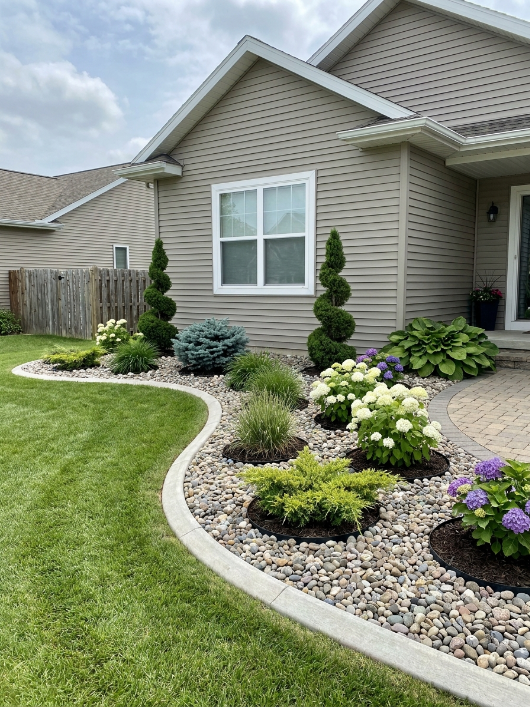
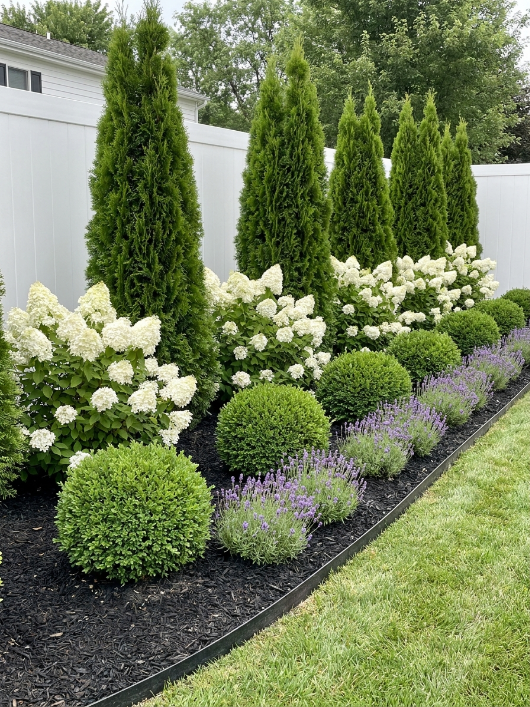
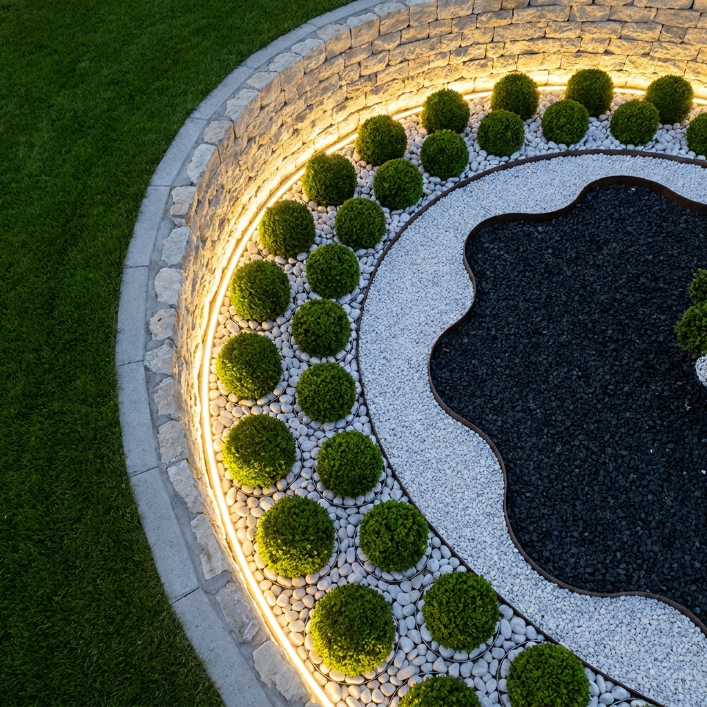
Your exterior space is like a warm welcome to everyone who comes by. It shows off your unique style before they even ring the doorbell. You can turn a small area into a beautiful spot. By using smart small front yard landscaping, you can make the most of your space. Best 3 Small Front Yard Lawn Ideas for Home That Boost Curb Appeal   These curb appeal ideas not only boost your home’s value but also make it feel more welcoming. Let’s dive into how to make your outdoor area more inviting today. Key Takeaways Your exterior space creates the first impression for guests. Thoughtful design reflects your personal style effectively. Strategic planting increases the overall value of your property. Even limited spaces offer great potential for beauty. Simple changes create a more inviting environment. Setting the Stage for Your Home’s Curb Appeal Your front yard is the first thing people see when they visit. It shows off your style and is a key part of your front yard design. By carefully planning your outdoor space, you make sure it meets your needs. Before starting any home exterior improvement project, think about how you’ll use your yard. Do you want it to increase your home’s value or be a relaxing spot for weekends? Knowing your goals helps you choose the right plants, materials, and layout. front yard design   Walk around your yard to see what works and what doesn’t. A good front yard design means looking at your space critically. Look for areas that need more color, have drainage issues, or feel disconnected from your house. Planning well at this stage avoids expensive mistakes later. When you match your home exterior improvement with your lifestyle, you get a look that feels planned. Thoughtful preparation leads to a beautiful, useful landscape that lasts. The Best 3 Small Front Yard Lawn Ideas for Home That Boost Curb Appeal Creating garden curb appeal in a small space needs a good plan and creativity. Every inch matters in a small yard. With careful design, you can make a small area stand out. The “rule of three” is key for layering plants. Place tall plants at the back, mid-height in the middle, and short ones up front. This makes your DIY landscaping look neat and not crowded. garden curb appeal   It’s important to pick one theme for your garden beds. Too many plants can make your yard look messy. Choose a style that fits your home and the weather. Here are three ideas to make the most of your small yard: The Minimalist Xeriscape: Great for those who don’t want to spend a lot of time on gardening. It uses plants that don’t need much water and decorative gravel for a modern look. The Lush Pollinator Meadow: This idea uses native wildflowers and grasses. It creates a home for local animals and adds color to your yard. The Structured Tiered Garden: Use vertical space and walls to add levels to your yard. It makes even the smallest yard look interesting. These ideas offer big results that are easy to do yourself. They work for both new gardeners and those with experience. They will help you improve your garden curb appeal with ease. Idea One: The Minimalist Xeriscape Lawn Xeriscaping is a smart choice for homes that want to save water. It’s perfect for places where water is scarce. This method makes your home look great while saving water. xeriscape design Benefits of Low-Water Landscaping This method cuts down on the need for watering. By picking plants that love your local weather, you get a low maintenance lawn. It stays green without needing constant care. It also means less time spent on yard work. No more mowing or fertilizing every weekend. You can relax in your yard instead. Selecting Drought-Tolerant Plants and Gravel For a low maintenance lawn, choose native succulents, ornamental grasses, and hardy shrubs. These plants love local rain and need little extra water once they’re settled. Adding different gravel textures makes your yard look neat and professional. Crushed granite or river rock is a durable ground cover. It keeps weeds away and adds color to your garden beds. Design Principles for a Clean Aesthetic Good xeriscape design is all about keeping it simple. Grouping plants by their water needs helps your yard get the right amount of moisture. This way, you save water and avoid waste. Use empty space wisely with stone paths or big boulders. This minimalist approach stops plants from getting too crowded. It lets each plant shine, making your front yard look modern and elegant. Idea Two: The Lush Pollinator-Friendly Meadow Turning your front yard into a meadow is a great way to welcome nature. By swapping a regular lawn for a pollinator garden, you create a lively space that changes with the seasons. This not only saves water but also becomes a safe haven for local wildlife. pollinator garden   Creating a Habitat for Local Wildlife A well-thought-out meadow becomes a thriving ecosystem right outside your home. It attracts bees, butterflies, and hummingbirds by offering nectar and pollen. These creatures are crucial for your local environment and make your home’s exterior lively. To really make a difference, choose flowers that bloom at different times. This way, you provide a consistent food supply for insects all year. A mix of blooms is key to a successful pollinator garden. Choosing Native Wildflowers and Grasses Native plants fit your local climate better and need less care than non-native ones. They’re naturally resistant to pests and diseases, saving you time on upkeep. This lets you enjoy your yard more. When picking plants, consider your soil type and sun exposure. Mix native grasses with colorful wildflowers for structure and shelter. Here’s a table with some great options for your garden: Plant Name Bloom Color Pollinator Type Purple Coneflower Purple Bees & Butterflies Black-eyed Susan Yellow Bees & Beetles Milkweed Pink/Orange Monarch Butterflies Little Bluestem Blue-Green Nesting Habitat Managing Growth for a Tidy Appearance Many fear a meadow will look untidy, but it’s easy to keep it neat. Use stone or metal edging to define your meadow from walkways or driveways. This makes your garden look intentional, not wild. Trimming dead stalks in late winter or early spring keeps your meadow looking good. Adding sculptural elements like a birdbath or bench also helps. These touches keep your pollinator garden beautiful and functional. Idea Three: The Structured Tiered Garden Lawn Adding a tiered garden to your landscape brings depth and interest to small spaces. It’s great for sloped yards or those who want a more architectural look. By dividing your lawn into levels, you turn a simple area into a sophisticated outdoor feature. Utilizing Vertical Space in Small Yards Think vertically to make the most of your space. Use trellises, fences, or walls for climbing vines and plants. This makes your front yard look bigger than it is. Materials for Retaining Walls and Borders Choosing the right materials is key for a stable structure. Natural stone, pressure-treated wood, and concrete blocks are good options. They offer durability and style, letting you match your tiered garden to your home. Material Durability Installation Difficulty Style Natural Stone High High Rustic/Classic Pressure-Treated Wood Medium Medium Modern/Clean Concrete Blocks Very High Low Industrial/Sturdy Planting Strategies for Multi-Level Interest Layer your plants by height and growth. Place tall shrubs or grasses at the back for a lush look. Use trailing flowers or ground covers to soften the edges. This strategic layering makes every inch count. Mixing textures and colors across levels creates a dynamic space. Your front yard will stand out, adding value to your property. Essential Tools for Maintaining Your Small Lawn Keeping your yard in top shape is much easier with the right lawn care tools. The correct equipment makes tasks efficient and manageable. High-quality gear saves time and ensures your plants thrive.   Handheld Pruners and Shears For small yards, precision is everything. A sharp pair of bypass pruners makes clean cuts on shrubs and perennials. Ergonomic shears also reduce hand fatigue during long sessions of shaping your garden borders. Compact Mowers and Trimmers Small spaces need agility, making compact mowers ideal. These machines are easy to store and maneuver around delicate areas. Pairing a reliable mower with a lightweight string trimmer saves time and achieves a professional finish. “The glory of gardening: hands in the dirt, head in the sun, heart with nature. To nurture a garden is to feed not just the body, but the soul.” Alfred Austin Ergonomic Watering Solutions Proper hydration is key for a healthy lawn. Scotts® Green Max™ Lawn Food, with 5 percent iron, enhances greening in just three days. Ergonomic watering wands prevent back strain and ensure water reaches the roots. Tool Category Primary Benefit Best For Bypass Pruners Clean, healthy cuts Shrubs and flowers Compact Mower Easy maneuverability Small grass patches Ergonomic Wand Reduced strain Targeted hydration Maintaining your landscape becomes rewarding with these essential lawn care tools. Consistent care and the right equipment keep your front yard vibrant all year. Choosing the Right Grass or Ground Cover for Your Climate Finding the right grass varieties for your area is key to a healthy yard. The right choice means less watering and fewer chemicals. This keeps your yard looking great all year. Cool-Season Grass Varieties In the northern US, you need grasses that do well in cooler weather. These grow best in spring and fall. Kentucky Bluegrass and Tall Fescue stay green even when it’s cold. Warm-Season Grass Alternatives In the south, warm-season grass varieties are best. They thrive in the heat and grow well in summer. Bermuda grass and Zoysia are great for areas that get a lot of foot traffic. Low-Maintenance Ground Cover Substitutes For small yards, grass might not be the best choice. Consider Dutch Clover or Creeping Thyme as ground covers. They need little mowing and add beauty with flowers that attract pollinators. Type Best Climate Maintenance Level Cool-Season Northern US Moderate Warm-Season Southern US Low to Moderate Ground Cover Various Very Low Incorporating Hardscaping to Complement Your Greenery Using hardscaping tips can link your home’s design with your garden. Adding structures makes your plants pop. These elements help your yard look complete and planned. Pathways and Walkway Materials Choosing the right material for walkways is key for both looks and use. Natural stone pavers give a classic vibe, while crushed gravel is cheaper and lets water through. Make sure your paths are wide enough for easy walking. Decorative Stone and Mulch Accents Decorative stone and mulch frame your plants beautifully. They keep weeds away and keep soil moist, which plants love. Using different colors, like dark mulch with light stones, adds a professional touch to your garden. Lighting Fixtures to Highlight Your Design Landscape lighting makes your property shine at night. Use moonlighting in trees for a soft glow. The right lighting not only makes your garden safer but also shows off its unique textures. Material Type Best Use Case Maintenance Level Natural Stone Main Walkways Low Crushed Gravel Garden Paths Medium Wood Mulch Planting Beds High LED Spotlights Feature Lighting Low Seasonal Maintenance Tips for Year-Round Beauty Learning seasonal yard maintenance is key to a lively home exterior all year. Break tasks into smaller parts to keep your small lawn looking great, no matter the weather. Staying consistent prevents damage and keeps plants healthy. Spring Preparation and Soil Health When the frost melts, focus on reviving the soil. Clear away winter debris and dead leaves to let sunlight in. Testing your soil pH helps decide if you need to add compost or fertilizers. Aeration in spring lets roots breathe and soak up water better. Early bed preparation leads to a healthy growing season. This saves time and effort later. Summer Watering and Weed Control In hot weather, your lawn and garden need careful watering. Use deep, less frequent watering to encourage deep root growth. Watch for weeds, as they steal nutrients from your plants. Don’t overlook your outdoor spaces in summer. Use Scotts® Outdoor Cleaner Patio & Deck with ZeroScrub™ technology to clean walkways without harsh scrubbing. Clean paths boost your home’s curb appeal. Fall Cleanup and Winter Protection In autumn, get your landscape ready for winter. Rake leaves and trim back perennials to prevent disease and pests. Mulch provides essential insulation for roots against winter’s freeze-thaw cycles. If you get a lot of snow, wrap delicate shrubs to avoid branch damage. These steps protect your garden until spring. Regular yard care is an investment in your home’s beauty. Common Mistakes to Avoid in Small Yard Landscaping Many homeowners unknowingly harm their curb appeal with simple mistakes. Even the best plans can go wrong if you make common landscaping mistakes. Knowing these pitfalls helps keep your yard beautiful and healthy all year.   Overcrowding Your Planting Beds It’s tempting to fill every inch of your garden. But, overcrowding makes your garden look cluttered. Plants packed too tightly fight for nutrients, sunlight, and water. This suffocates your garden and makes it hard to keep it looking neat. Ignoring Drainage and Soil Quality Many focus on the looks of plants, not the soil. Poor drainage causes root rot and stunted growth. Always check your soil quality and make sure your yard slopes to keep water away from your home. Neglecting Scale and Proportion Choosing plants that grow too big for your yard is a common mistake. Think about the mature size of each plant compared to your home. Proper proportion balances your yard, while big plants can make it feel cramped. Common Mistake Negative Impact Recommended Solution Overcrowding Messy, unhealthy plants Follow spacing guidelines Poor Drainage Root rot and water damage Install French drains or soil amendments Bad Proportion Disrupted visual balance Research mature plant sizes Ignoring Soil Weak, struggling growth Test pH and add organic compost Conclusion Turning your small front yard into something beautiful is rewarding. It can even increase your home’s value. You now know how to pick the best plants, tools, and materials for your area. These ideas are just the start of your creative journey. You can go for a simple xeriscape or a colorful pollinator garden. Your choices show off your style and care for your property. Keeping up with small tasks is key to a great landscape. Doing a little bit often helps avoid big jobs. It keeps your yard looking good all year round. Start with a small project this weekend to see quick changes. Companies like Fiskars or Scotts have tools to help you. Soon, your front yard will be a place you love coming home to. FAQ How do you determine if your yard requires cool-season or warm-season grass? Your choice depends on where you live and the weather. In the North, cool-season grasses like Kentucky Bluegrass or Tall Fescue are best. They do well in temperatures between 60°F and 75°F. In the South, warm-season grasses such as Bermuda grass or Zoysia are better. They thrive in the hot summer months and need less water. What specific plants work best for a low-maintenance xeriscape design? For a minimalist xeriscape, choose hardy, drought-tolerant perennials. Agave, Blue Oat Grass, and Lavender are good choices. They add height and soft textures. Pair these with pea gravel or river rock. This keeps your garden permeable, cuts down on water use, and reduces weeding time. How can you implement the “rule of three” in a small garden bed? The rule of three means layering plants in three heights: background, middle, and foreground. For your front yard, start with a tall Sky Rocket Juniper at the back. Then, add mid-sized Echinacea (Coneflowers) in the middle. Finish with low-growing Creeping Thyme at the front. This creates depth and balance, avoiding a flat look. Which essential tools should you invest in for a compact front lawn? For small spaces, you don’t need big machinery. Invest in high-quality handheld pruners from Fiskars for precise trimming. Also, get a compact cordless mower from Ryobi or EGO Power+. An ergonomic watering wand helps target plant roots, saving water and improving soil health. How do you prevent a pollinator meadow from looking unkempt to your neighbors? To keep your meadow looking intentional, add “cues to care.” Use a flagstone border or a low boxwood hedge around wilder plants like Milkweed and Black-eyed Susans. Regularly deadhead spent blooms and keep paths clear. This shows your meadow is a cared-for habitat for wildlife, not weeds. What are the benefits of using tiered retaining walls in a sloped front yard? Tiered garden designs manage soil erosion and create flat areas on steep slopes. Use Belgard pavers or natural stone blocks for structure. This vertical approach showcases a variety of plants, like cascading Creeping Phlox. It boosts curb appeal by drawing the eye upward. Are there eco-friendly alternatives to traditional turf grass? Yes, consider low-maintenance ground covers instead of lawns. Micro-clover stays green with little water and fixes nitrogen in the soil. In shaded areas, Pachysandra or Corsican Mint provide a lush look without the need for mowing or chemicals. How does strategic outdoor lighting enhance your landscaping design? Outdoor lighting makes your yard beautiful at night and boosts security. Use LED path lights for walkways and uplighting for trees or walls. Smart systems like Lutron Caséta automate your lighting. This ensures your home looks welcoming and high-end at all times. Hi, I’m Emma . i founded HomeDecorCozy more than 14 years ago, and I began sharing the ideas with people who wanted to make beautiful homes without spending too much money.  Pinterest Best 3 Small Front Yard Lawn Ideas for Home That Boost Curb Appeal Learn more 6 Cozy Yellow Bedroom Decor Ideas for a Warm Neutral Space Learn more Top 9 Sofa Design Ideas for a Stylish Modern Living Room Learn more

Scroll to Top